Sunday, 10 July 2016

The Tyrannosaurus Rex - The first dinosaur featured in this blog

Everyone knows about Tyrannosaurus Rex (or its short form T-rex which I will be using throughout this post), but most people have false impressions on it. Well, now I'm here to put those impressions to rest, and tell you much more about it.
  • The T-rex is reputed to have very short hands, but they are more than 3ft long and very strong. If you look at the picture below (of a dinosaur named Carnotaurus), you won't think T-rex's arms are short anymore.
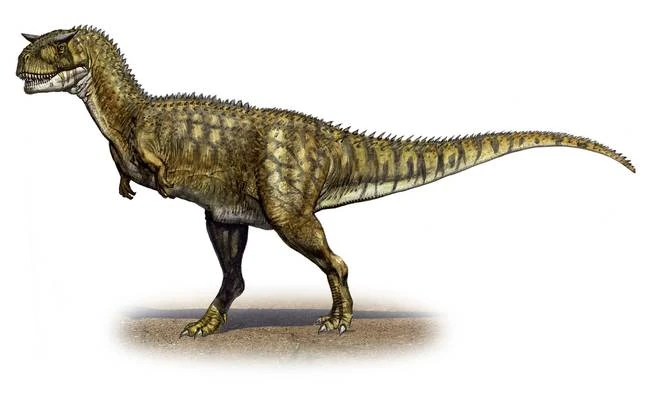
  • T-rex wasn't the biggest carnivorous dinosaur. It wasn't even the second. There are two dinosaurs, Spinosaurus(you might know this one from Jurassic Park 3) and Giganotosaurus which are bigger than it. 
  • This is not related to topic, but recent studies show that the T-rex would win in a fight against the Spinosaurus (if they lived in the same time and place) as the T-rex's teeth and body were more developed than Spinosaurus. (more on that later)
  • The female T-rexs were bigger than males, which doesn't make much sense as the male has to hunt. However, the female had to lay eggs, so it needed bigger hips.
  • The T-rex was not originally known as T-rex. In 1892, when it was found, it was called Manospondylus gigax or Giant Thin Vertebrae. Later, the president of the American Museum of Natural History, Henry Fairfield Osborn, named it Tyrannosaurus Rex.

Sunday, 26 June 2016

Goblin Shark

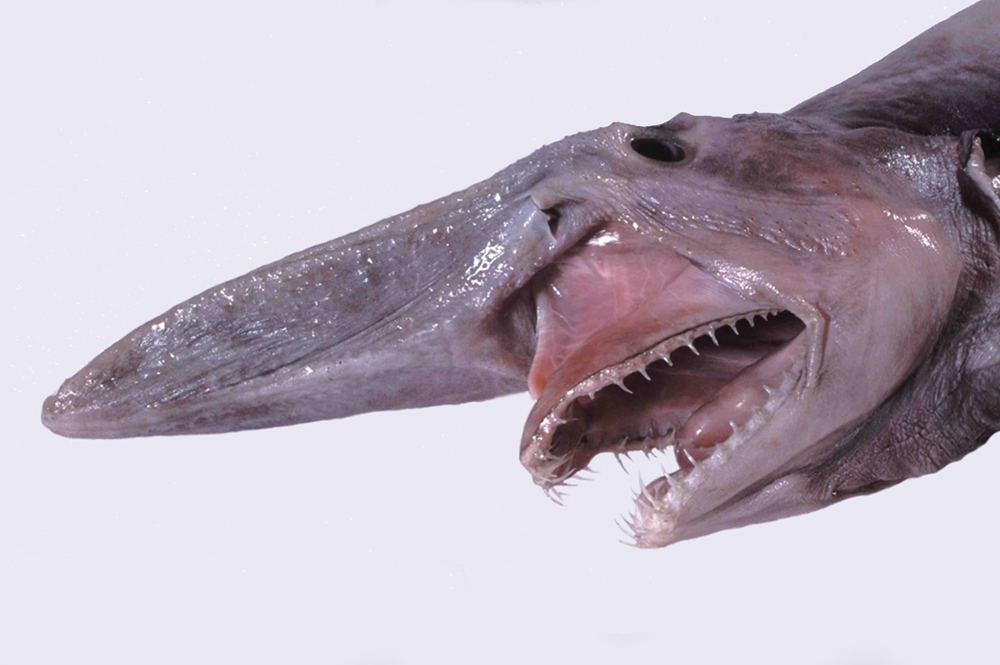
The goblin shark is a rarely seen species of deep sea shark. Its population status is in least concern (because of low incidence of capture and its wide distribution) but it is rare as it lives at the bottom of the sea. It is sometimes called a living fossil as its family (Mitsukurinidae) extends back around 125 million years ago. Adults can reach about 10 to 13 ft (3 to 4 m) and can live in depths greater than 330 ft (100 m). Juveniles are smaller and live in shallower water than adults. They live in Submarine canyons, Upper continental slopes and Seamounts around the world. The goblin shark is sllugish in nature because of its flabby body and small fins. It hal a long flat snout and a mouth containing sharp needle like teeth. Its snout, like other sharks, has tiny electrorecepters called Ampullae of Lorenzini that detect electrical pulses emmited by animals. The goblin shark has an eerie habit where it can extend its jaw to catch prey.


Diet
The goblin shark eats a wide variety of fishes, rays, squid, octopi and other sharks. They also eat crustaceans such as crabs and shrimp. Most of these creatures are hunted using the electroreceptors on its snout.


Pictures


Now a video


Sunday, 19 June 2016

Patagonian Mara

The patagonian mara, (also known as the Patagonian cavy or dillaby) is a medium sized rodent in the species Mara (Dolichotis). It looks somewhat like a cross between a rabbit and a deer. They are related to the Capybara. It is monogamous, meaning that it has only one mate in its life. Their habitat ranges from shrubland to deserts. I never knew about this animal before I researched about it and I thought it was a rare or threatened animal. After researching, however, I found that it was in Near Threatened.


Diet
Patagonian maras are herbivorous animals. They eat herbs and grasses and various vegetables. If they live in the desert, they also include cacti in their diet. Grasses make up for 70% of their diet.


Pictures


Now a video


Saturday, 4 June 2016

Intro to Dinosaurs

As you might have guessed by now, I am starting to blog about Dinosaurs, a subject I know a lot about.
I will do my best to make this topic very interesting and fun to read.

Below will be my guide for the terminology used in my blogs henceforth :-

The two basic divisions of Dinosaurs:-
The two basic divisions are based on the dinosaur's hip joint structure.

Saurischia (saw-RIS-kee-a):-
Saurischia is derived from two Greek words:- (Sauros, meaning lizard and ischion meaning hip joint).
As you have just seen, Saurischian means lizard hip. It contains two basic species, Therapods and Sauropods(sauropodomorphs).
  • Therapods are carnivourous dinosaurs, such as Tyrannosaurus rex and Spinosaurus.
  • Sauropods are dinosaurs with long necks, such as Brachiosaurus and Diplodocus.
Ornithischia (or-ni-thiss-kee-a):-
Ornithischia is also derived from two Greek words:- (ornitheos, meaning of a bird and ischion, meaning hip joint). The confusing part is that birds are actually members of Saurischia. It contains three basic species, Thyreophera, Pachycephalosauridae, and Hadrosauridae.
  • Thyreophera includes armoured dinosaurs like Stegosaurus and Ankylosaurus.
  • Pachycephalosauridae includes domeheaded dinosaurs like Pachycephalosaurus and Stygimoloch.
  • Hadrosauridae includes duckbilled dinosaurs like Parasaurolophus and Edmontosaurus.

*There are many subfamilies to the species mentioned above and many subfamilies to those too. 


Tuesday, 26 May 2015

Why do only some ants sting?- article review

The site shown below has tons of information. I especially liked the pictures. The fact that ants evolved from wasps really caught my eye. Another amazing fact is that some ants can spray venom. Some ants even smear their venom on attackers. I never really knew that there was so many types of ants! It seems some ant stingers are well devoloped and some are not. In fact, some ants don't even have stingers. This article has really good information.


Here is the link: http://scienceblogs.com/photosynthesis/2009/05/09/why-do-only-some-ants-sting/

Tuesday, 21 April 2015

Frill-necked Lizards

Frill-necked lizards, also known as frilled dragons, are a type of lizards found mostly in Northern Australia and Southern New Guinea. It is mainly arboreal(lives in trees). Its main predators are birds of prey, snakes, larger lizards etc. Adults can reach up to 3 feet in length and up to 0.5 kgs in weight. Their name comes from the flap of skin surrounding its neck. When it is threatened, it unfurls the flap and hisses.

Diet


Frill-necked lizards eat insects, spiders, other reptiles and small mammals. They also eat cicadas and termites.

Pictures


A video


Saturday, 18 April 2015

Gerenuks

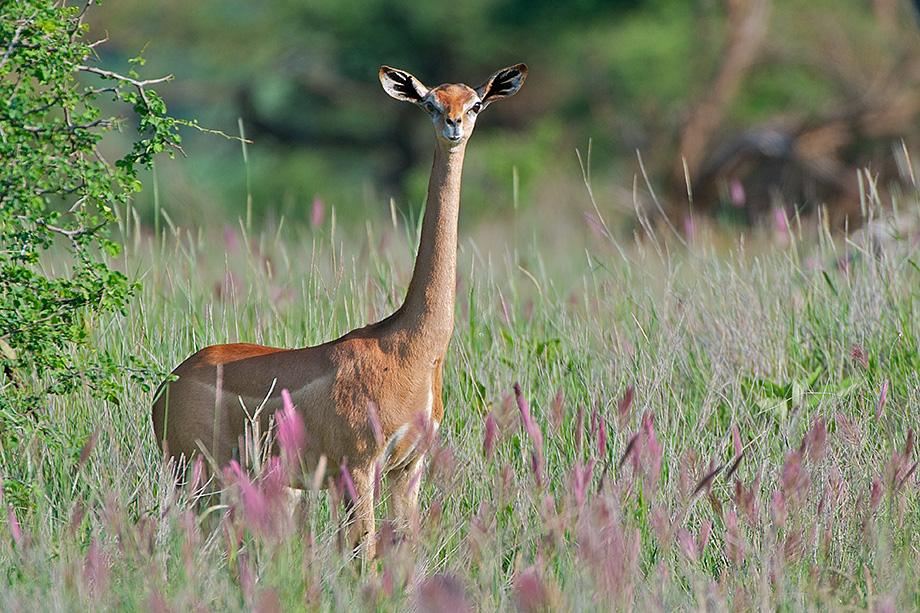
The gerenuk or waller's gazelle is a species of antelope found in dry thorn shrubland and desert. They are found in the Horn Of Africa and the African Great Lakes region. They are also called the giraffe-necked antelope because of their long neck. Gerenuks whistle when they are annoyed, make a buzzing sound when alarmed, a loud bleat when in danger and a soft bleat when communicating with their young. Gerenuks can also go their whole life without drinking water!

Diet


A gerenuk eats leaves and shoots from prickly bushes. It also eats flowers, fruits and buds. They obtain moisture from the plants it eats so it doesn't need to drink water.

Pictures


A video


Monday, 29 September 2014

Global warming - a poem

The earth is our mother,
we cannot get another.
She sheltered us for many years,
she gave us a nose, mouth and ears.

But now she's in a sticky problem,
we need to find a solution.
To save her from desolation,
we need to stop further pollution.


Monday, 10 March 2014

Genets

Genets are a species of mammal related to the mongoose and fossa. They are also highly agile, like the fossa. They have spotted coats, banded tails, large ears, and small heads. Their tails are very long. Their tails are almost one to one and a half times the length of their body. Genets spend most of their time in trees. Most species live in Africa, but one species lives in Southwestern Europe. Genets are mostly nocturnal animals. Genets can crawl through openings as small as their heads.

Diet

Genets are omnivorous. Their diet consists of rodents, shrews, bats, birds, fish, bird eggs, centipedes, millipedes, scorpions and fruits like figs and olives. Sometimes they eat poultry. 

Pictures


Now a video


Wednesday, 5 March 2014

Rainbows

Rainbow, rainbow in the rain 
When you disappear it gives me such pain
Seeing you is so much fun
You appear with the sun 

You come with a lot of colors
Blue is one of the colors
With the colors are how you are
We call your colors VIBGYOR

Sunday, 2 March 2014

Sawfishes

Sawfishes or carpenter sharks are a species of ray which have a saw like snout. Its snout is used to catch fish. It also has electroreceptors (organs used to detect electrical pulses set off by humans) on its snout to sense passing prey. There is also a shark called the sawshark, but they are very different to the sawfish. There are seven species of sawfish (sawfish are not researched that much). Out of those seven, two live in the USA, two live in Australia, and the rest live in saltwater. The maximum length of a sawfish is 20 feet.

Diet

Sawfish eat small fish. They also eat crustaceans and other ground dwelling animals. Their snout is used as a digging tool.

Pictures


Now a video


Sunday, 16 February 2014

Seahorses

Seahorses are a species of fish related to the pipefish. But unlike most fish, seahorses have a horse shaped head. That is how its name 'seahorse' came from. It is also one of very few animals in which the males bear their young. Male seahorses have a pouch on their stomach, in which the female lays its eggs. The male fertilizes the eggs in their pouch. The male keeps the babies inside his pouch until the eggs hatch. The seahorse swims upright. They are only 0.6 inches to 14 inches long.

Diet

Seahorses attach themselves to coral with their long tails and gulp down plankton and small crustaceans that drift by. They graze continually for brine shrimp (a species of aquatic crustacean). A seahorse can eat 3,000 or more brine shrimp in a day.

Pictures


Now a video


Slow loris

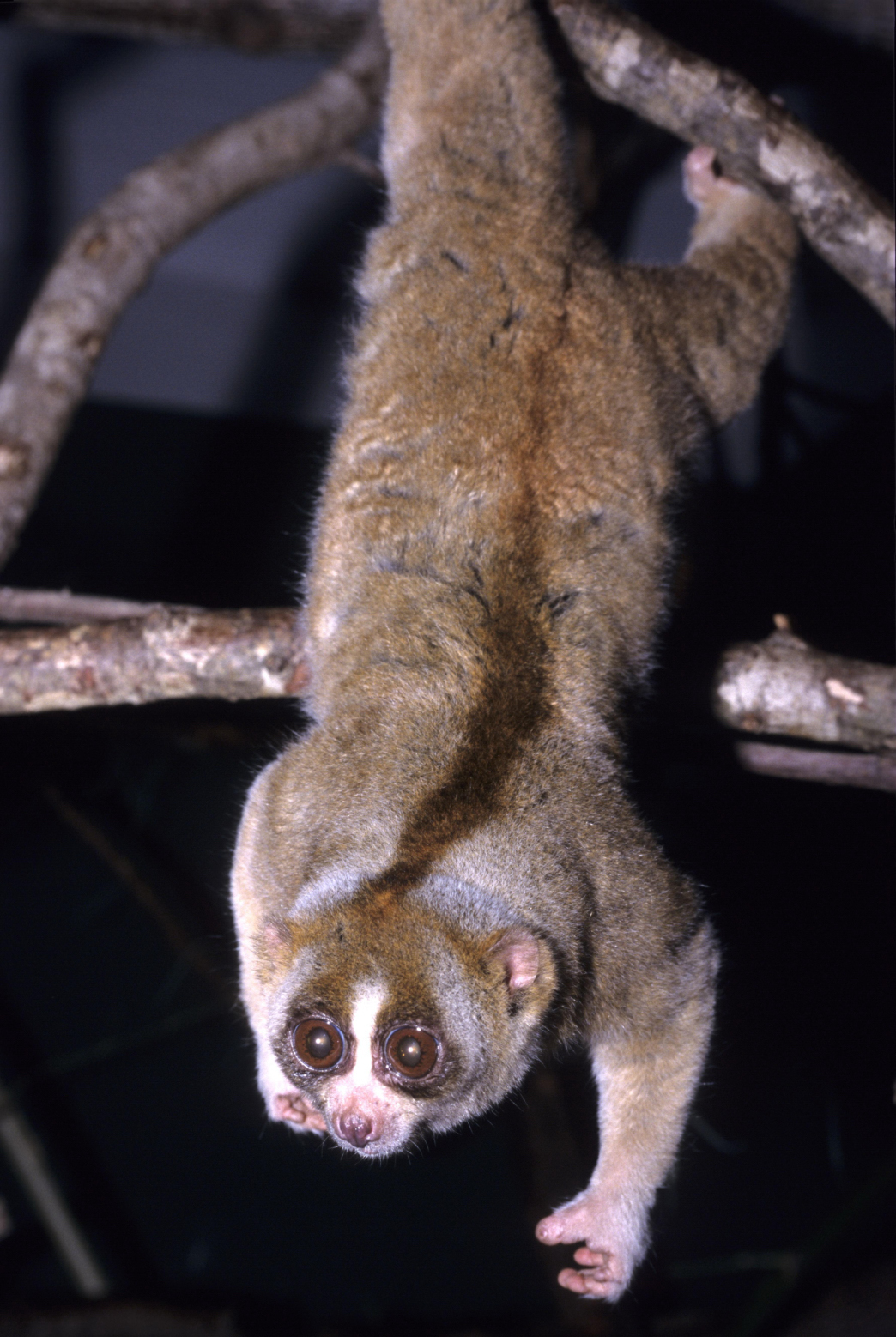
The slow loris is a species of primate related to the lemur. They are found in south and southeast Asia. There are only 8 species that are known. All of the slow loris species are either endangered or vulnerable. That is because slow lorises were used to being sold as pets. Their teeth were pulled out and then sold as pets. Their teeth are pulled out due to a belief that they have a 'toxic bite. They have a gland which produces toxins on their arm. They lick the gland and the toxin mixes with its saliva to activate it. That is how the 'toxic bite' is formed.

Diet

Slow lorises are omnivores. Their diet consists of 71% fruit and gums(a secretion from some trees and shrubs which is used in making adhesives) and 29% insects, small birds, reptiles etc. They also eat fruits and nectar.

Pictures


Now a video

Sunday, 19 January 2014

Fossa - The mistaken cat

Until recently, the Fossa was thought to be a primitive type of cat. The Fossa is 6 feet long from its nose to its tail tip. Its long tail helps it while hunting and moving through the tree branches. Its fur is reddish brown and its snout looks like a dog. Now it is known to be related to the mongoose. It is found in the forests of Madagascar. The Fossa is one of the most agile animals in the world. It is the largest carnivore in Madagascar. The Fossa is a solitary (lives on its own) animal.

Diet

The Fossa is known to eat lemurs. In fact, lemurs comprise up to half of its diet. It hunts lemurs by sneaking up on them when they are asleep. They hunt small and medium size animals, birds and even insects. They also hunt big prey in packs during the mating season.

Pictures


Now a video

Tea

Tea, tea 
Piping hot
Plead for tea
And drink with glee 

Tuesday, 14 January 2014

Tarsiers

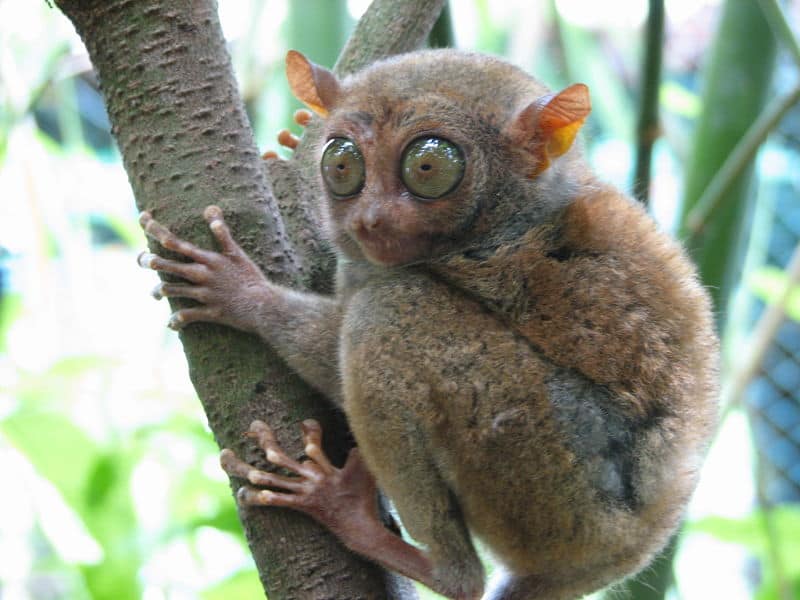
The Tarsier is a subspecies of primate living in forests on some islands in Malaysia, Indonesia, and the Southern Philippines. It is further classified into The Philippine Tarsier, The Western Tarsier, The Eastern Tarsier and many more. Fossil records show that Tarsiers once lived in Europe, North America, Africa and mainland Asia. Tarsiers are built for their arboreal and nocturnal lifestyle. They have a little bit fat body, a long tail, long hind legs which enable them leap distances of up to 5 metres from branch to branch, and large eyes which measure 16mm across. The size of their eyes enables them to see in the dark. Their eyes are so big that the Tarsier cannot turn their eyes in their sockets. They have pads on their fingers and toes which help them to climb. They can turn their heads 180 degrees in both directions.

Diet

The Tarsier is the only fully carnivorous primate in the world. Their diet consists of insects, frogs, lizards, and small birds. Some species of Tarsier eat venomous snakes and small bats. Their long fingers and toes help them to catch prey flying in midair.

Pictures


Now a video


Meerkats

Meerkats or Suricates are a species of mongoose that lives in the plains of South Africa. They are often seen in groups. Sometimes several families may live together in a large society. They are about the size of a large squirrel weighting less than 1 kg. They are famed for their upright posture. They often gaze around the plains where they live. Meerkats work in numbers. Some are lookouts, searching the sky for birds of prey that eat them, like hawks and eagles. A sharp, shrill call is the call to hide. A few meerkats guard the group.

Diet

A few meerkats forage for food for the group. They are omnivores. They eat insects, lizards, rodents, birds and fruit. When hunting together, they communicate using purring sounds. They are good hunters. Meerkats sometimes are tamed and trained to control rodents.

Pictures

Photo: A young meerkat nestles with its adult caretakers.

Now a video


Tuesday, 31 December 2013

Tasmanian devil

The Tasmanian Devil is a marsupial (mammal with a pouch) found only on the wilds in an island called Tasmania. It is carnivorous. It is an endangered animal which used to be found in Australia. It is of the size of a small dog.

Food

The Tasmanian Devil has a very strong bite, strong enough to break bones because it likes to eat bone marrow (a substance that creates red blood cells). It is a scavenger. It eats garbage, carrion, and meat. Despite its appearance, it is very fast, it can swim and even climb trees.

Pictures

A Tasmanian devil


Now a video


Duck billed platypus

The duck billed platypus is a species of mammal. It lives in the forests of Australia. A very interesting fact about them is that they are one of the very few mammals to lay eggs! The males have a spike on their hind limb which produces venom. When underwater, it senses its pray using electrolocation. It has thousands of electroreceptors on its body to detect tiny electrical pulses set of by living beings. Another creature which is well-known to use electrolocation is the shark.

Food

The duck billed platypus likes to eat crayfish. Its diet also consists of frogs, fish, insects which fall into the water, spiders, freshwater mussels, etc. A duck billed platypus has to eat 1/3 to 1/2 of its body weight each day.

Pictures


Now a video


Tuesday, 17 December 2013

Rain


The day was so grey,
All I could say is that it is a horrible day.
When I was going to school, it started to rain,
I fell down and cried in pain.
I couldn't see a thing because it was so foggy,
I shouted and shouted very sadly.
All my cries were in vain,
Oh, why did it even start to rain